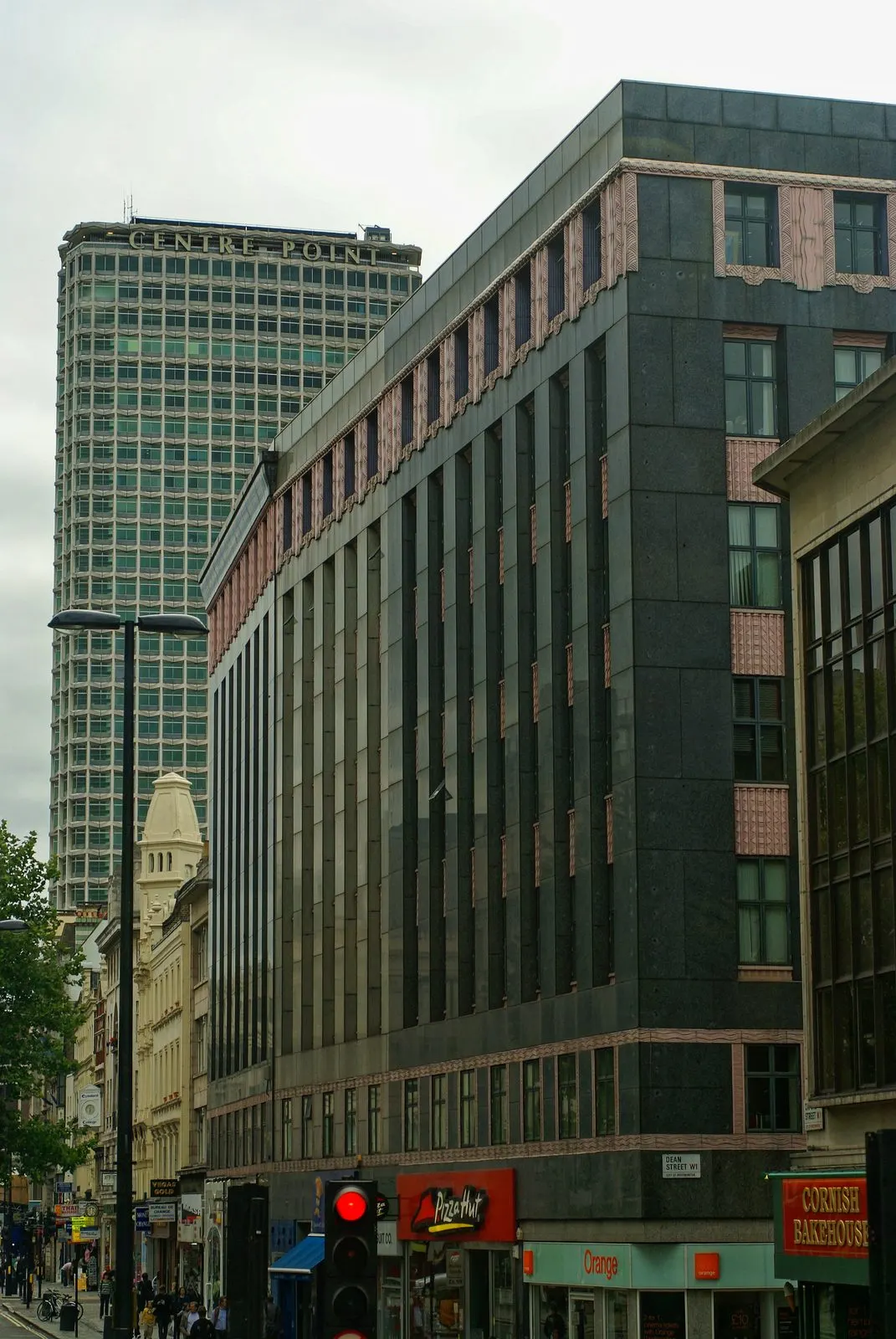
Cover image: A busy view of Oxford Street in London with shoppers and traffic before pedestrianisation — Txllxt TxllxT, Wikimedia Commons, CC BY-SA 4.0.
A famous street, empty of traffic
For decades, Londoners have talked about clearing Oxford Street of traffic. On Monday, it finally happened, at least in part. Almost a kilometre of the capital's most famous shopping street, between Orchard Street and Great Portland Street, is now closed to cars, taxis, buses and bicycles, in the first phase of a pedestrianisation scheme that has been promised, debated and delayed for years. Shoppers strolled down the middle of the road where buses once crawled, and the mayor of London, Sadiq Khan, called it a momentous day.
The change took effect from Monday 26 October, just in time for the busy Christmas shopping period, and it is the first step in a wider plan to revive a street that has struggled in recent years. The stretch now closed to vehicles runs from Orchard Street, beside Selfridges, to Great Portland Street near Oxford Circus, and it includes the busy junction where Oxford Street meets Regent Street. The ban covers private vehicles, buses, taxis, private hire vehicles, cycles, scooters and pedicabs. Emergency vehicles keep access at all times, mobility scooters are still permitted, and service and delivery vehicles are allowed through between midnight and 7am.
Khan has described the move as the start of a new era for the street. Speaking as the scheme launched, he said he was hugely excited to see his plans come to fruition, and he encouraged Londoners to visit and experience the benefits of a traffic free shopping area. He added that Oxford Street had reinvented itself for centuries, adapting to changing times and helping shape British culture along the way, and that after so many false dawns he was proud to finally be unlocking a new era for it.
Why now, and what it will cost
The project is run by the mayor's Oxford Street Development Corporation, the body set up to lead the transformation, and it is estimated to cost about £150 million, as reported by Property Week. Transport for London is overseeing the changed traffic patterns, diverting buses onto nearby roads and managing the new stops, according to Transport for London. The first phase is deliberately temporary: officials will collect data and feedback on how people use the space through spring 2027 before a permanent design is drawn up. Minimal construction will take place between now and Christmas, with the bigger changes to follow.
By the end of spring next year, the transformation is due to bring 50 new trees, more than 100 seats, two public squares, rest areas and improved signage. Longer term plans include greenery and spaces able to host retail, sporting, cultural and festive events. City Hall has said the scheme is designed to create more space for pedestrians and support the street's revival as a major shopping destination, turning it into what Khan has called a world class space where flagship retail sits alongside workplaces, leisure experiences and events.
The timing is no accident. Oxford Street does a large share of its trade in the run up to Christmas, and the mayor has said the October launch means the changes arrive just in time for that crucial period. Earlier consultation on the wider regeneration plans found around seven in ten respondents supported the proposals, and big retailers including Selfridges, John Lewis and Ikea have welcomed the project, as reported by Retail Gazette. For a street that has seen shop closures and complaints about decline, the pedestrianisation is presented as a turning point.
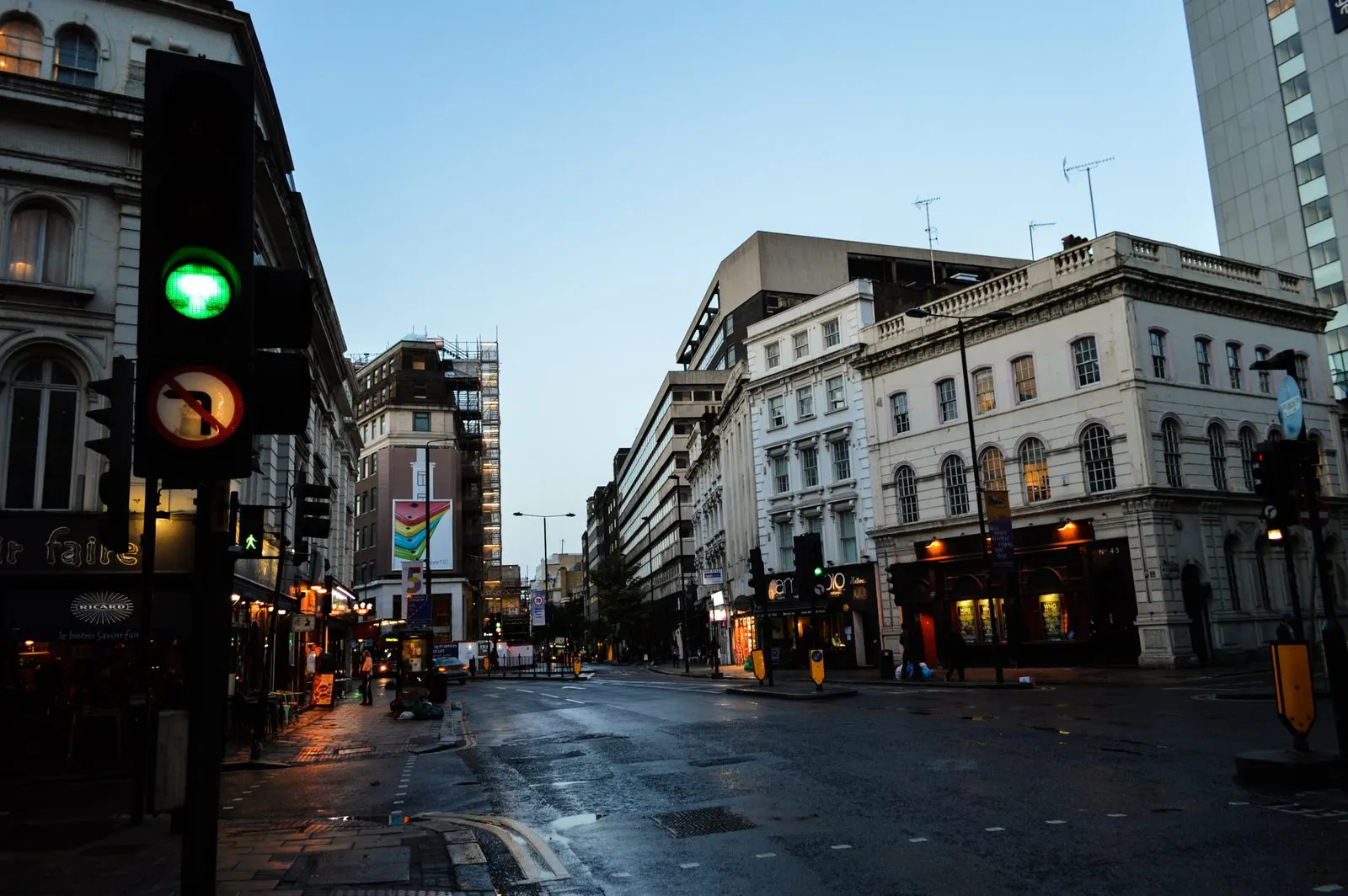 New Oxford Street in London with buildings, pavements and a road busy with pedestrians
Credit: Francisco Anzola, Wikimedia Commons, CC BY 3.0
A mixed first day
The first day brought a largely positive reaction from shoppers, many of whom welcomed the extra space and the calmer atmosphere. But it also showed the practical problems that come with closing a major road. Some cyclists rode through barriers on day one despite security staff asking them to dismount, a reminder that enforcement will be a daily job rather than a one off task. Several north south roads, including New Bond Street, Duke Street and Davies Street, continue to carry traffic across Oxford Street, so the pedestrian area is crossed at intervals by vehicles, as detailed in QNC News coverage.
Accessibility has been one of the sharpest concerns. Re-routed buses now stop about 200 metres from the pedestrianised area, and new taxi stops sit about 100 metres away, distances that matter for older shoppers and people with reduced mobility. Critics have also warned that pushing traffic onto smaller neighbouring streets could cause economic and environmental harm, with pollution and congestion simply moving elsewhere. Westminster City Council, which lost a political battle over the scheme earlier this year, has said residents and businesses still face a long list of unanswered questions about access, street cleaning, public safety and air pollution.
The council's deputy leader, Tim Barnes, has warned that if the scheme is to be the greener, better and more prosperous success the mayor has promised, those issues need answers urgently. The council had earlier promised to roll back the pedestrianisation after retaking control in May, but rowed back in June after legal advice suggested a judicial review would be unlikely to succeed. That history explains why the launch, though celebrated at City Hall, is still watched with scepticism in parts of Westminster.
What shoppers and traders want next
For retailers, the test will be simple: does a traffic free street bring more people, and do they spend more? Oxford Street's fortunes have been mixed for a decade, hit by the rise of online shopping, the pandemic and changing tastes. Supporters of pedestrianisation point to other cities where clearing cars from shopping streets boosted footfall and trade. Sceptics note that Oxford Street is also a major east west route, and that removing buses and taxis could make it harder, not easier, for some customers to reach the shops.
The mayor's team argues the scheme is about more than shopping, and the Mayor of London's office has published research on pedestrianising the street. The plan includes new public squares and seating, space for events, and a greener, more pleasant environment that encourages people to linger rather than hurry through. The first phase gives officials a chance to see how that works in practice, with real time data and feedback from residents, businesses, workers and accessibility groups shaping the permanent design. If the temporary scheme works, the whole of Oxford Street could eventually become traffic free, since the development corporation's remit covers the full length of the road.
For now, the street's traders will be watching the Christmas numbers closely. A strong festive season would give the project momentum and quieten its critics. A weak one would raise questions about whether pedestrianisation alone can revive a high street facing deeper changes in how people shop. Either way, the experiment is now under way, and millions of shoppers will judge it with their feet.
What happens next
The next few months will be a trial in the truest sense. Officials will watch footfall, trade, air quality and traffic on surrounding streets, and they will listen to feedback from residents, businesses, workers and accessibility groups. The temporary scheme stays in place through the Christmas period and into spring 2027, when the bigger changes, including trees, seating and squares, are due to arrive. Only after that will a permanent design be drawn up, and only then will Londoners learn whether the whole street could follow the same path. The mayor has refused to rule out extending the scheme toward Marble Arch and Tottenham Court Road, so the kilometre closed this week may yet be the start of something larger.
For more on London's economy, see Verity's business coverage, and for the latest from the capital, Verity's news section follows developments day by day. Readers interested in how cities are changing can find more in Verity's world coverage, while Verity's homepage carries the top stories. Learn more about the site on the about page, and for lighter stories from the high street, Verity's entertainment section has the latest. Verity's politics coverage follows the mayor and City Hall.