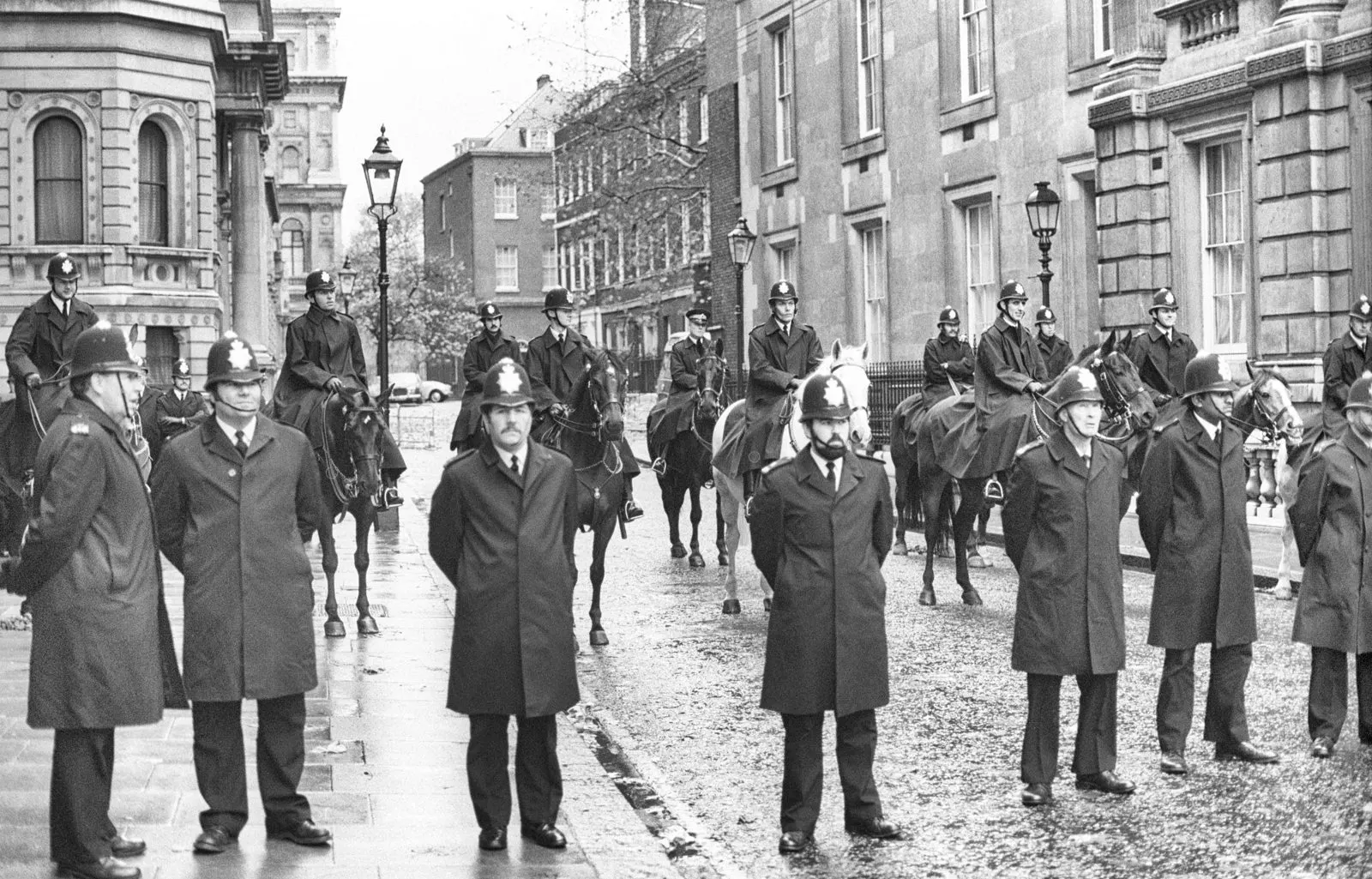
Chancellor John Healey delivered his first Budget on 28 October 2026, the first Budget of Andy Burnham's government, with a message that households and businesses need breathing space now. The backdrop, as Healey described it in his Commons statement, is a period of global economic storms, with the war in the Middle East pushing up fuel and energy prices and government borrowing costs across the G7 reaching highs not seen for decades. The package he announced mixes immediate help with winter energy costs, longer-term reform of energy bills, and tax rises aimed mainly at banks, savings income and property income to help pay for it.
For most households, the most immediate measure is the simplest to understand: money off energy costs this winter. Around 20 million households in council tax bands A to D will receive a £100 energy payment, paid directly into bank accounts, as part of a £2.6 billion scheme. The payment is aimed at lower- and middle-income households, using council tax band as a proxy for household income, in a similar way to previous support schemes. The Treasury and independent summaries agree on the headline: £100, this winter, for homes in bands A to D. Households do not need to apply in the usual sense described in the coverage so far, but the exact payment mechanism and timetable should be confirmed against the Treasury's detailed Budget documents and supplier communications as they are published.
Energy bills: standing charges go, but bills may still rise
The bigger structural change is to gas standing charges. These are fixed daily fees added to bills regardless of how much gas a household uses, covering the cost of connecting a home to the gas supply and of maintaining the network. Healey said gas standing charges are unfair and outdated, and that he is scrapping them. He will ask regulator Ofgem to remove them in 2027 or as soon as possible after that. The fixed gas charge currently costs a typical household about £108 a year, according to the Treasury statement reported by Reuters.
The costs will not disappear. They will be shifted into the unit price of gas consumed. The Treasury said this could save about 60 percent of account-holding households an average of around £45 on their annual bill. The other 40 percent, generally higher gas users, could see higher bills, because they will pay more through the unit rate. Research foundation Nesta, cited by Which?, estimates that 84 percent of the poorest households would be better off, compared with only 23 percent of the wealthiest. The government has promised to set out targeted support for households that lose out, and further details on reform of electricity standing charges will be announced next year. Electricity standing charges, which cost around £200 a year on the current price cap according to Reuters, are not being scrapped in this Budget.
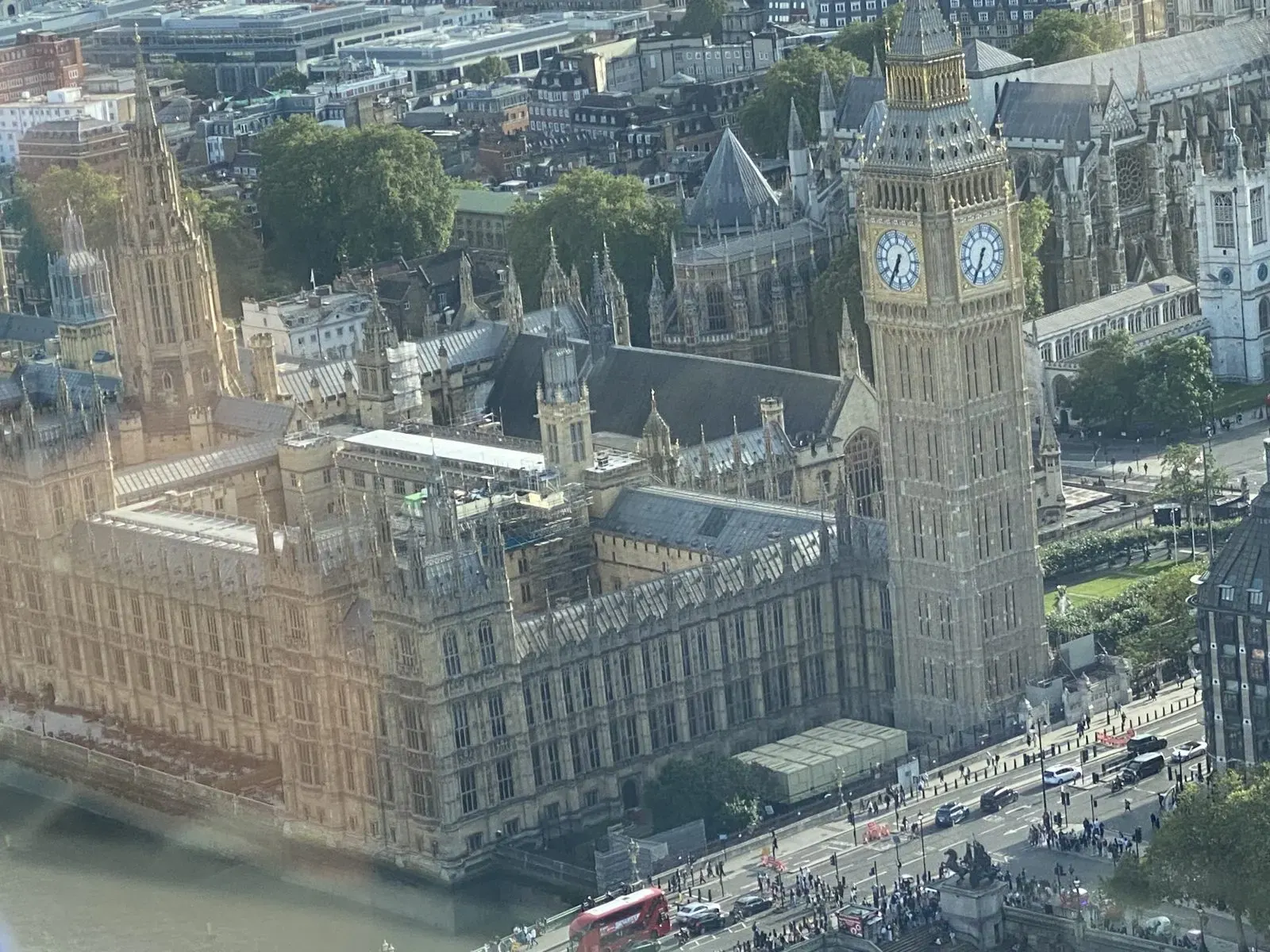 Big Ben and the Houses of Parliament in London, where the Budget was delivered.
Credit: Wikimedia Commons, CC0, by PhilDaBirdMan.
A second energy measure extends the cut in VAT on household electricity. The removal of VAT from household electricity bills in Great Britain, from 5 percent to 0 percent, started on 1 October 2026 and was originally due to end in March 2027. It will now run to July 2027. Which? reports that the extension is expected to knock £50 a year off the energy price cap from April 2027. VAT on gas is not changing and remains at 5 percent. Northern Ireland, where EU VAT rates apply under the terms of Brexit, will receive comparable funding to enable it to support households with the cost of living.
Even with these measures, households should not expect bills to fall overall this winter. Britain's regulated domestic price cap rose 4 percent in October, and some forecasts cited by Reuters predict a rise of around 20 percent to over £2,000 a year in January for an average domestic energy bill including electricity. One energy analysis published after the Budget put the January figure at around £1,999 a year for a typical home, with Ofgem due to confirm the real figure by 25 November. The £100 payment and the VAT extension soften that rise, they do not cancel it. Readers can follow wider cost-of-living coverage in our Business section and our News section.
Your pay: thresholds frozen, minimum wage up
On pay, the Budget leaves the headline rates of income tax, employee National Insurance and VAT unchanged, in line with the government's manifesto commitment. What does change, or rather what continues, is the freeze on income tax thresholds. The personal allowance of £12,570 and the higher-rate threshold of £50,270 remain frozen until April 2031, according to summaries of the Budget. That means every pay rise pulls more income into tax and more people into the 40 percent band, a process economists call fiscal drag. It remains the largest tax-raising measure in the Budget, and it affects workers even though their tax rate has not risen.
There is one targeted change for pensioners. Pensioners relying solely on the state pension will see their tax-free allowance rise to £13,036, in line with the pension increase, so they do not pay income tax on the state pension alone, according to Budget summaries. The detail matters for low-income pensioners who would otherwise be dragged into tax as the state pension rises while the personal allowance stays frozen.
For lower-paid workers, the Budget also raises minimum wage rates. Summaries report an increase of 3.9 percent, but the published summaries differ on how the two main rates are labelled, so this article does not state a single figure for each rate as confirmed. Workers should check the confirmed rates on gov.uk guidance and their payslip from April 2027, when the new rates take effect. The direction is clear, a rise in the wage floor, even if the precise labelling in early summaries needs care. The same caution applies to the Office for Budget Responsibility forecasts: the OBR raised its 2026 growth forecast from 1.1 percent to 1.2 percent, but cut 2027 growth from 1.6 percent to 1.0 percent, with growth then forecast at 1.6 percent in 2028, 1.8 percent in 2029 and 1.7 percent in 2030.
Savings and property income: tax rises from April 2027
Savers and landlords face the clearest tax rise in the Budget. Income tax rates on property income and on interest from savings will rise by a further 2 percentage points from 6 April 2027, on top of an increase announced last year. The resulting rates will be 24 percent at the basic rate, 44 percent at the higher rate and 49 percent at the additional rate, according to Harold Sharp and other Budget summaries. Healey said there would be no change to tax on income from dividends and tax on income from employment.
What does that mean in practice? A basic-rate taxpayer with savings interest above their personal savings allowance will pay 24p in tax on each £1 of interest from April 2027, instead of the current lower rate. A higher-rate taxpayer will pay 44p, and an additional-rate taxpayer 49p. The personal savings allowance itself, which shelters £1,000 of interest for basic-rate taxpayers and £500 for higher-rate taxpayers, was not described as changing in the summaries reviewed. Savers with large cash balances outside ISAs are therefore the most affected, while savers whose interest falls within their allowance or inside an ISA will see less direct impact.
There is good news for ISA savers, however. The planned reduction in the annual tax-free cash ISA allowance, from £20,000 to £12,000 for under-65s, will not go ahead. The annual cash ISA limit will stay at £20,000 for all savers aged over 18. A new First Time Buyer ISA, offering a 25 percent bonus on balances of up to £20,000, will replace the Lifetime ISA for new savers from April 2029, according to Harold Sharp's summary. A new starter ISA to reward first-time investors was also announced. Savers who were planning around a £12,000 cash ISA limit from April 2027 can now disregard that plan, but should still check the final legislation, as ISA rules are set in detail in Finance Bill documents.
Motoring, business rates and bank tax
Motorists get an extension of existing relief. The temporary 5p per litre cut in fuel duty has been extended until 30 June 2027, after which rates will return to pre-2022 levels and rise with inflation, according to Budget summaries. Healey said he was extending the cut through winter and spring to July, supporting households, hauliers and farmers, while the war in the Middle East continues to drive high fuel prices. The higher mileage rate will rise from 25p to 35p per mile, and the increase to the standard 55p rate will be made permanent, according to Parliament News.
For businesses, the threshold for small business rate relief for retail, hospitality and leisure businesses rises from £12,000 to £18,000, which summaries say will mean an additional 70,000 businesses pay no business rates. Healey said 70,000 businesses would be taken out of paying rates altogether, meaning half of shops, restaurants and gyms will now pay no business rates at all. Adult gaming centres and vape shops are excluded from the new business rate reliefs, and VAT will be charged to sellers on online marketplaces, with large platforms such as Amazon, eBay and Temu responsible for collecting tax owed by retailers selling on their platforms for the first time.
Banks face a higher tax bill. The surcharge on bank profits will rise from 3 percent to 6 percent from January, for a 15-month period, reversing a cut introduced in 2023. The increase is smaller than lenders had feared, with some reports suggesting concern it might return to 8 percent, its level when introduced in 2016. Shares in Barclays, NatWest and Lloyds rose after the announcement, according to BBC reporting summarised by Parliament News. Machine games duty on higher-stakes machines rises from 20 percent to 25 percent.
What to check, and what happens next
The Budget is a statement of intent as much as a set of immediate changes. Many measures take effect in April 2027, July 2027, or later, and the fine print will be in the Treasury's Red Book, the OBR forecast documents, and the Finance Bill. Households should check three things in the coming weeks: whether their home is in council tax bands A to D and how the £100 payment will reach them; whether they are a low or high gas user, which determines whether scrapping standing charges helps or hurts them; and whether their savings interest or property income will be taxed at the new higher rates from April 2027.
The political context also matters. Healey said he was using some of the headroom left by his predecessor against the government's fiscal rules to provide help with the cost of living, while vowing fiscal discipline. Reaction and analysis will follow in our Opinion section. The OBR predicts the government will spend £14 billion more on debt interest this year, according to summaries of the Chancellor's speech. Opposition parties and campaign groups are likely to challenge both the generosity and the targeting of the package in the days ahead, particularly on energy, where the Green Party has already described abolishing standing charges as tinkering while bills are set to rise by hundreds of pounds this winter.
For now, the summary for households is straightforward. Help this winter is real but limited: £100 for homes in bands A to D, VAT relief on electricity extended to July 2027, and fuel duty relief extended to the same date. Structural help on gas bills arrives later, in 2027, and helps lower users more than higher users. Pay is not taxed at a higher rate, but frozen thresholds mean pay rises still push more income into tax. Savings and property income are taxed more from April 2027, while cash ISAs keep their £20,000 limit. Those are the confirmed headlines, and they are the ones to plan around until the detailed legislation is published.
For more, see our Business coverage, Politics analysis of the Budget debate, and Verity for the latest headlines. The Reuters report on gas charges is at Reuters, and the AP-based account of the Budget is summarised by the New Indian Express.